Research & Knowledge / Field note
Field noteTwo forts, 46 lights and the mountain after dark
Why it matters
What it buys
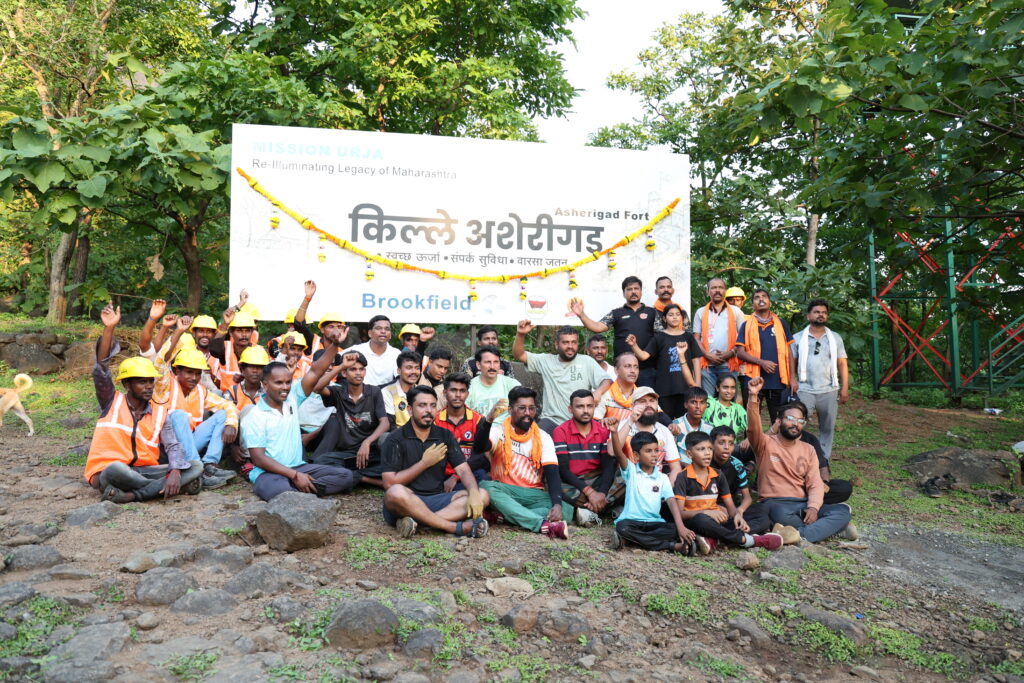
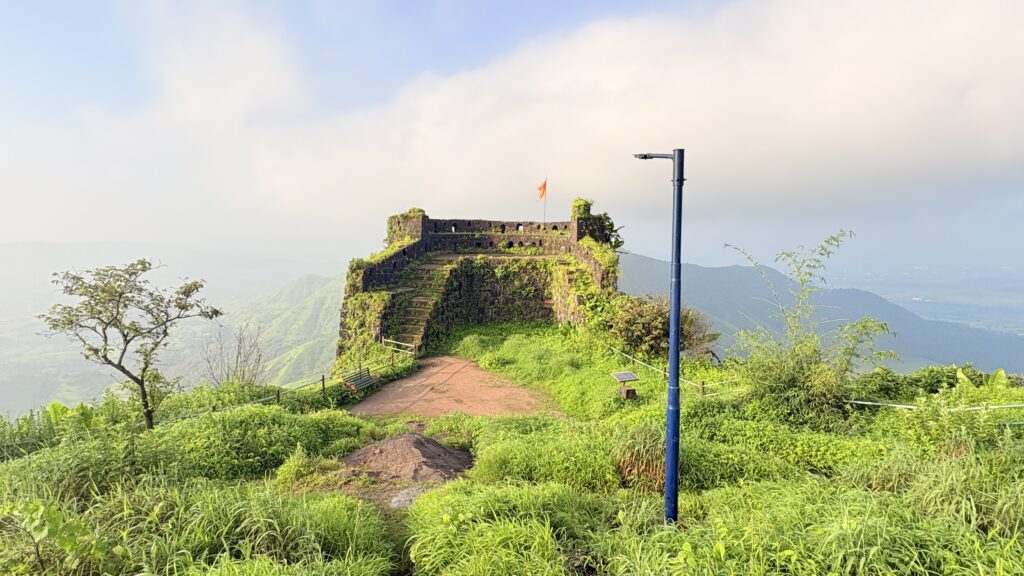
The lights extend safe access hours, making both forts usable for community gatherings, heritage walks and evening events. The CCTV provides real-time monitoring, visible even in low light, and acts as a deterrent to vandalism.Crucially, the systems are owned and maintained by the communities that installed them. Volunteers were trained in fault identification, panel cleaning and battery care. Ownership means accountability — and infrastructure that lasts.Grid power does not reach either location. Solar infrastructure removes the dependency and costs nothing to run.
The model
Each street light is a standalone unit: solar panel, battery, LED fixture and mounting pole. The CCTV systems are similarly self-contained, drawing power from dedicated solar arrays. No trenching, no cabling, no transformer. The units go where they are needed, not where the grid allows.That flexibility matters in terrain like this. Forts sit on ridges and outcrops, often hours from the nearest metalled road. Transporting poles and panels required coordination, patience and volunteer labour. Community involvement was not incidental — it was the only way the work could happen.What it costs, what it saves
The systems require no fuel, no monthly bills, and minimal maintenance. Over a 10-year life span, each unit delivers consistent service at a fixed upfront cost. For remote sites, that predictability is as valuable as the power itself.Power that stays
Rohida and Asherigad are among the first heritage sites in the region to be fully solar-lit and monitored. The installations prove that decentralised renewable energy can reach places the grid cannot — and that communities, given the tools and the training, will make the infrastructure their own.
Explore the work behind this story
See our programs →