The Hour Before Sunset
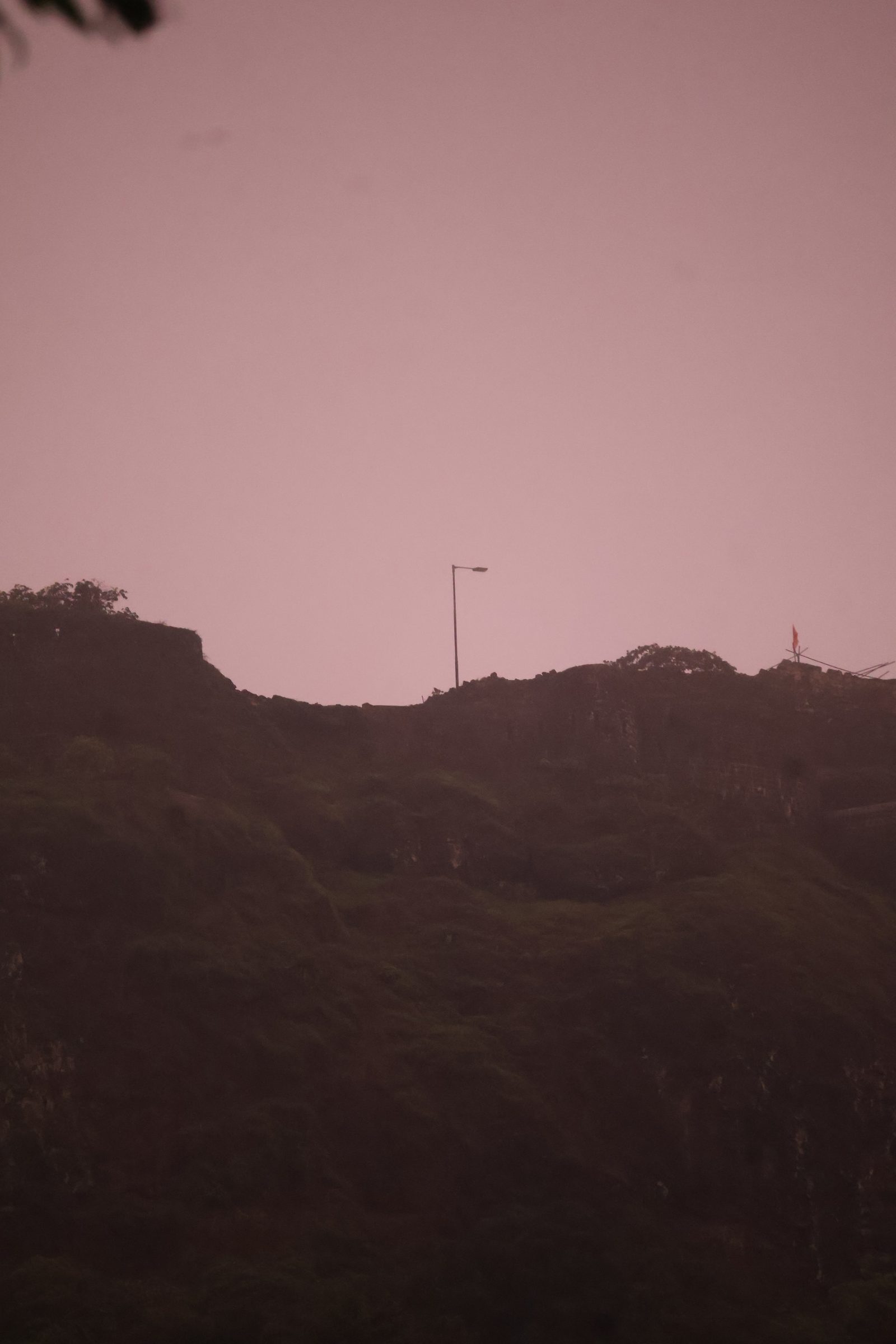
Field note · Mission URJA Fort
For centuries these forts were alive with light. Today, after sunset, most stand in darkness.
Most unprotected Sahyadri forts have no power at all, so after sunset they are unsafe to climb and hard to protect. Tikona is one of five forts Mission URJA has lit and commissioned: solar street lights run from base to summit, solar CCTV is integrated with Pune Police, and a Solar TREE powers the fort without touching its stones.
Figures as of October 2026 from our live public dashboard.
What happens on a fort when the sun goes down?
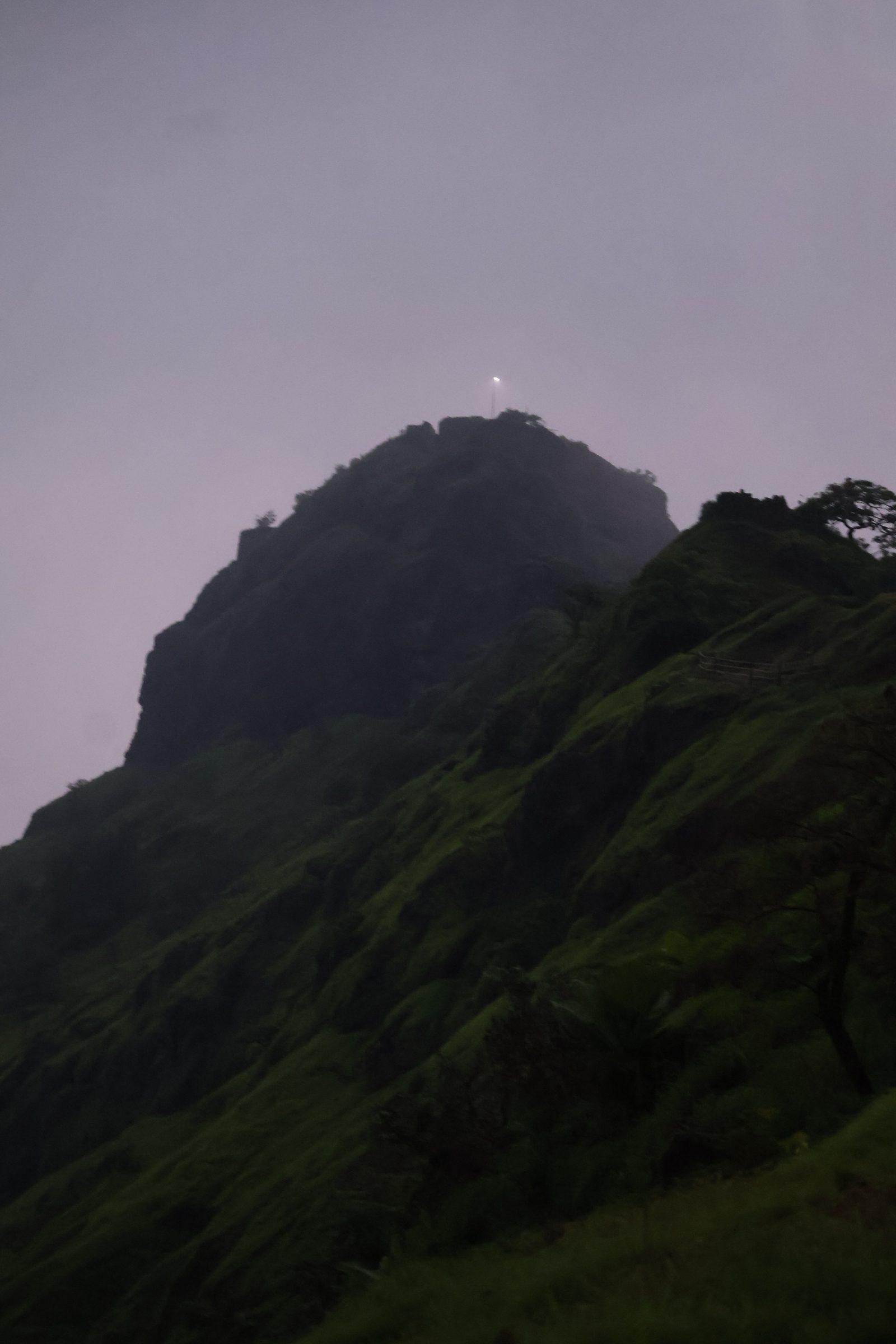
The hour before sunset is the best hour on any Sahyadri fort and the most dangerous one. The light turns gold, the valley fills with cloud, and trekkers linger on the ramparts. Then the light goes quickly. On a fort with no power, the path down becomes uneven rock in the dark, and the walls are left to whoever comes after the visitors have gone.
That is still the evening on most forts in Maharashtra. Of the 50 unprotected forts in our plan, 33 have not yet begun.
What changes on a lit fort?
On Tikona, the lights come on by themselves. Integrated solar street lights run from the base to the summit, so the climb down after dark follows a lit path instead of a torch beam. Solar CCTV, integrated with Pune Police, watches over the structure at night. A mobile charging station lets trekkers top up a phone before the descent. None of it touches the fort's stones.
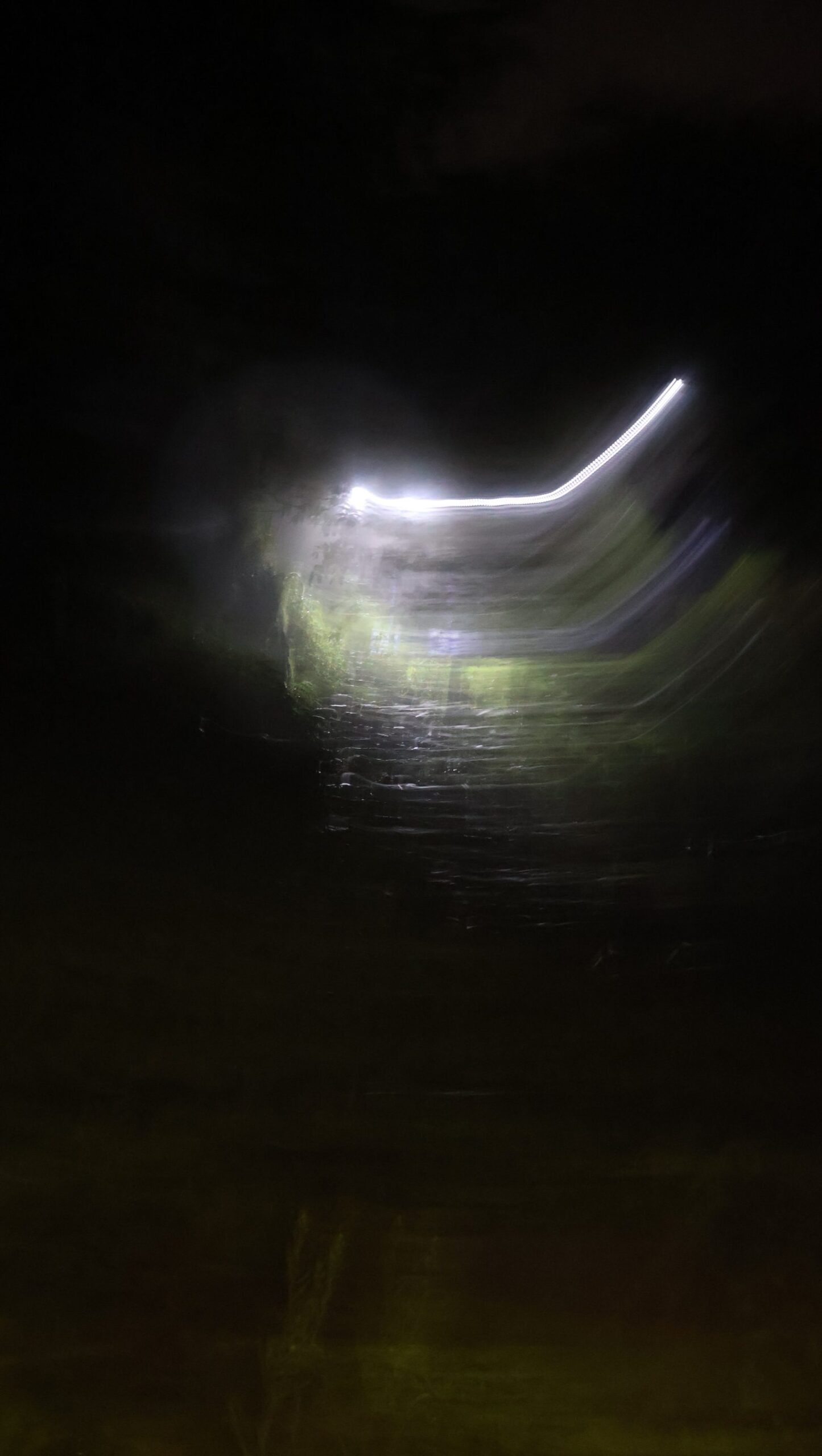
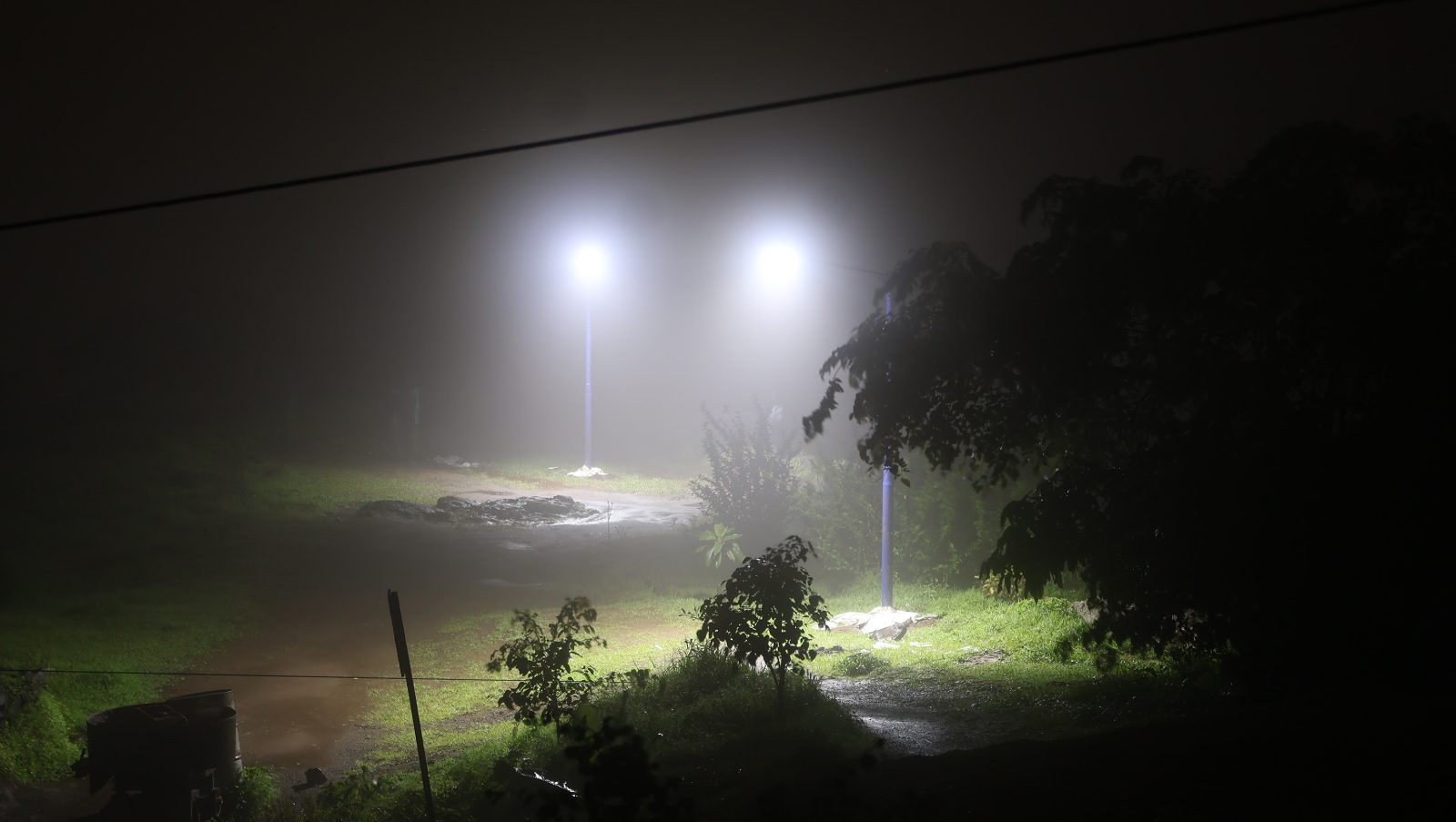
“After sunset, the path to the fort glows again.”Mission URJA · Fort Edition
Who keeps the light on?
No fort is lit by us alone. Volunteers carried the poles, panels and batteries up on foot, and youth from the villages below trained as URJA technicians to run the system. The village committee now holds the fort's care under a clear policy for maintenance, surveillance and safety.
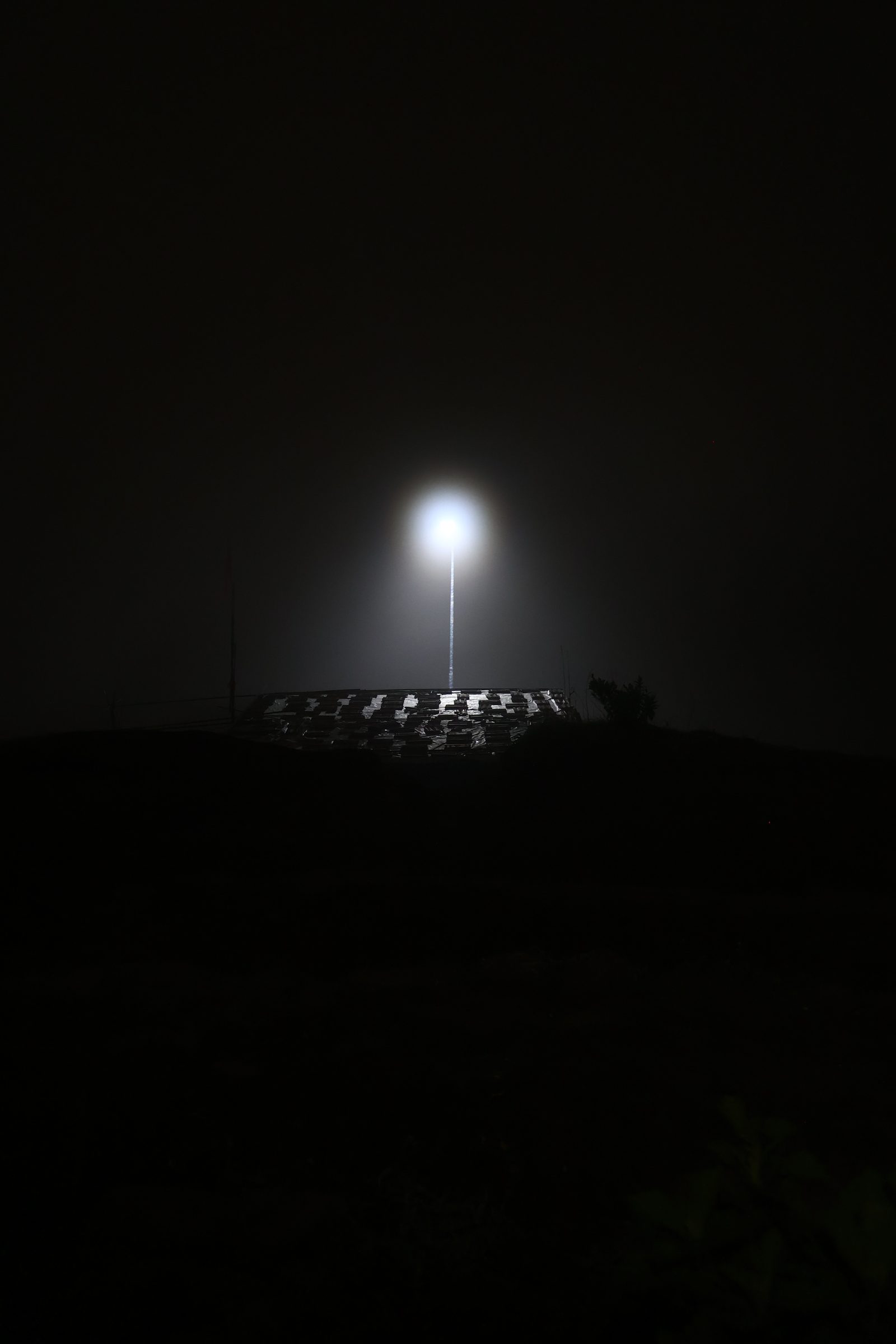
Light the next fort.Six forts are in active deployment and six more in planning. Companies can adopt one with an MoU and employee volunteering days.
Fund a fort →Build something that's still working in year four.
CSR lead, donor or volunteer: there's a place for you in this work.
Frequently asked questions
Is Tikona fort lit at night?
Yes. Mission URJA has installed solar street lights from base to summit, solar CCTV integrated with Pune Police and a Solar TREE on Tikona.
Why are most Sahyadri forts dark after sunset?
Most unprotected forts have no grid power, which makes them unsafe to climb after dark and hard to protect.
How many forts has Mission URJA lit?
Five forts are complete: Tikona, Ghangad, Rohida, Asherigad and Tung. Six more are in active deployment and six in planning, out of 50 by 2028.