What a Lit Fort Is Actually For
Blog · Mission URJA Fort
Light on a fort can look like decoration. On the Sahyadris, it is infrastructure.
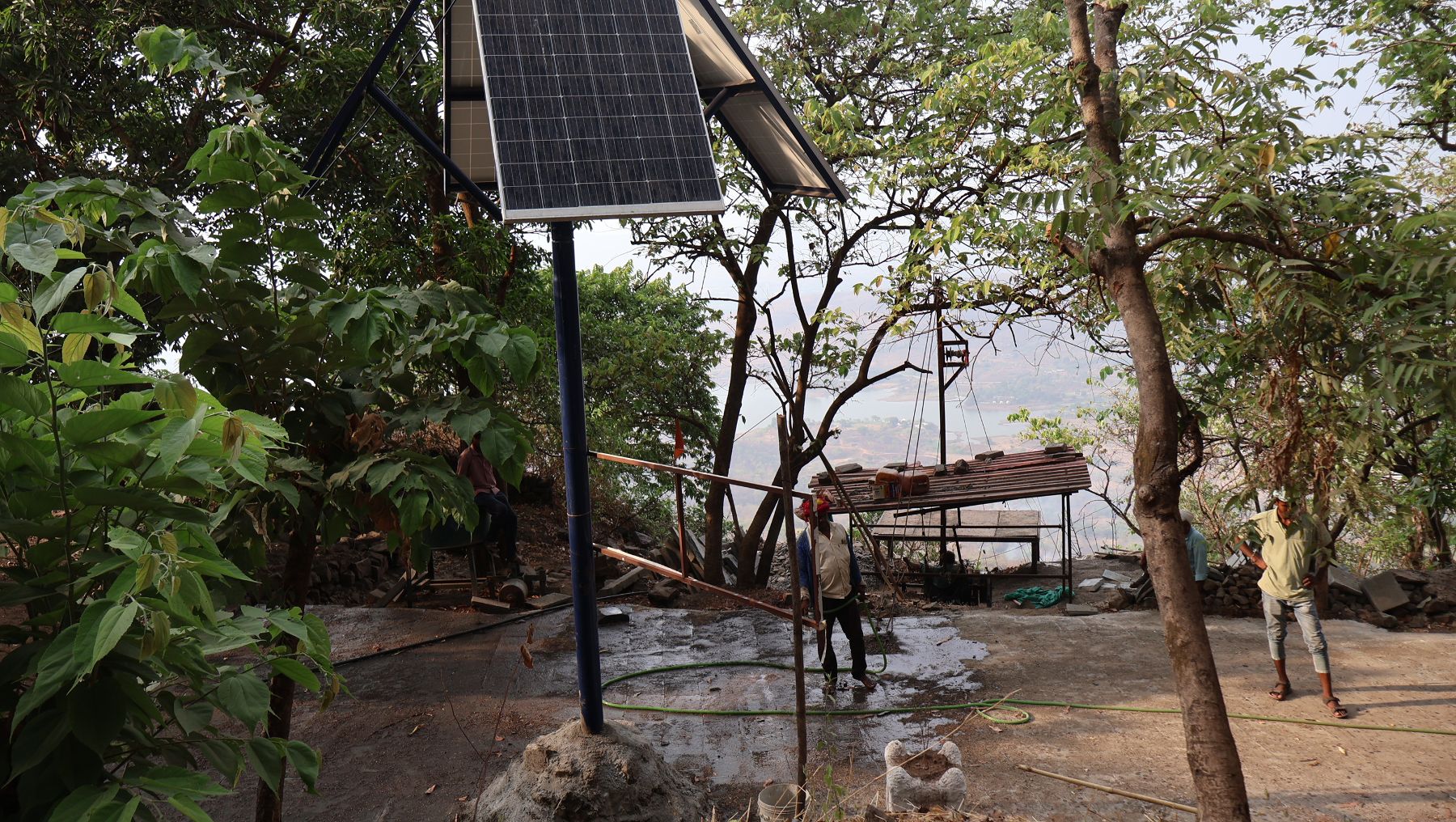
A lit fort does three jobs. It preserves heritage, because solar CCTV integrated with Pune Police deters vandalism after dark. It protects visitors, because lit paths and phone charging make the climb safe at night. And it sustains the villages below, by opening responsible eco-tourism. Mission URJA does this without touching the fort's stones.
Figures as of October 2026 from our live public dashboard.
Why do the Sahyadri forts need light at all?
Most unprotected Sahyadri forts have no power. After sunset they are unsafe to climb, hard to protect, and cut off from the visitors whose care and tourism could keep them alive. A dark fort is a fort left to chance.
What does a lit fort actually do?
Preserve
Light and solar CCTV, integrated with Pune Police, deter vandalism and help protect the heritage.
Protect
Lit paths, cameras and phone charging make the fort safer for trekkers and visitors after dark.
Sustain
Sustainable infrastructure opens responsible eco-tourism for the villages at the fort's foot.
Steward
The village committee takes over the fort's care under a clear policy.
Why is this infrastructure, not decoration?
Decoration is floodlights on a wall. Infrastructure is what a fort needs to function as a public place: a safe path, a way to call for help, protection from damage, and someone responsible for keeping it working. Every element of the Fort Edition maps to one of those needs, from 150 W street lights base to summit to a 4–5 kWh Solar TREE and a charging station for 30 phones.
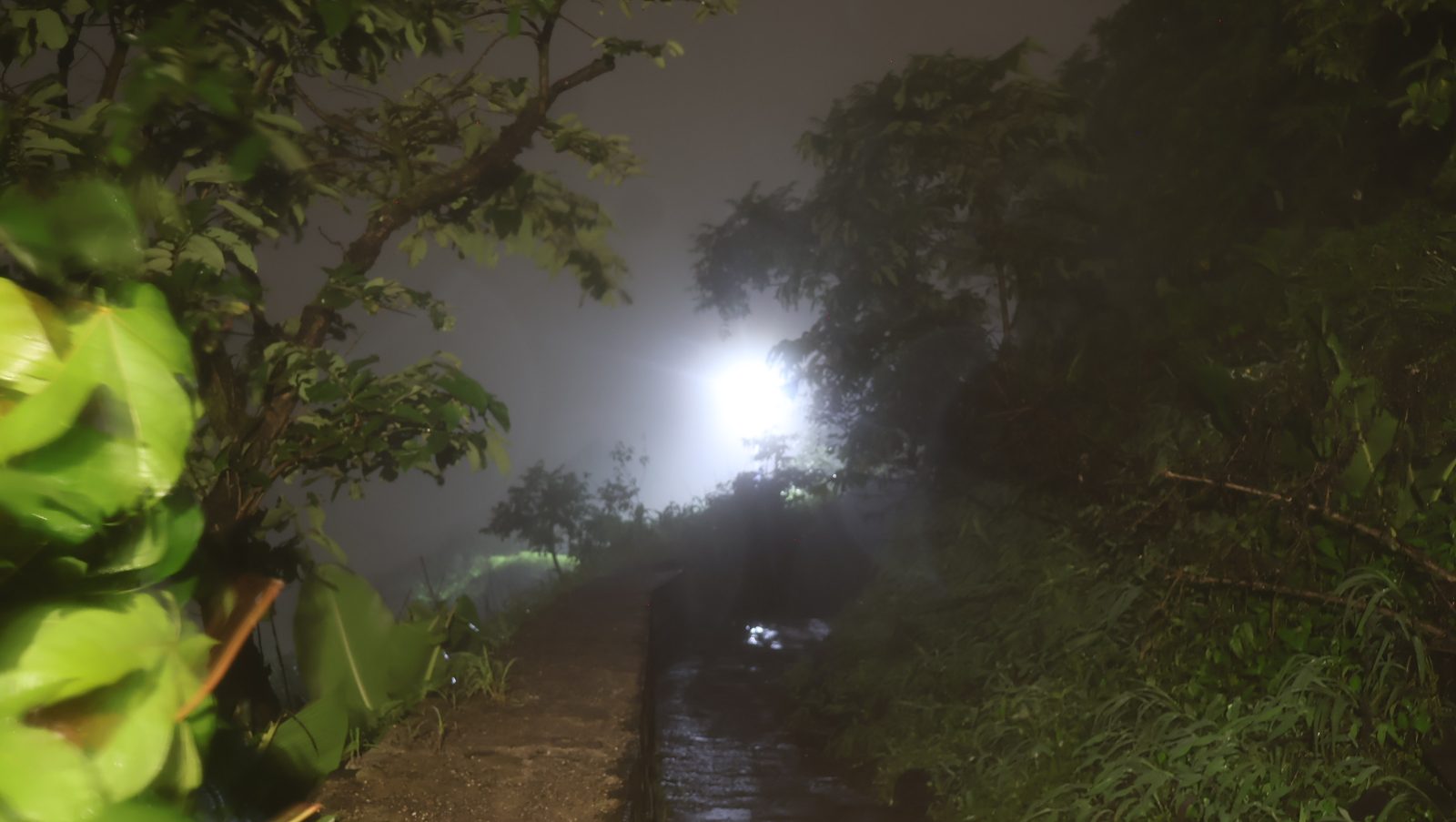
“Solar re-lights the fort without touching its stones.”Mission URJA · Fort Edition
What does heritage gain beyond light?
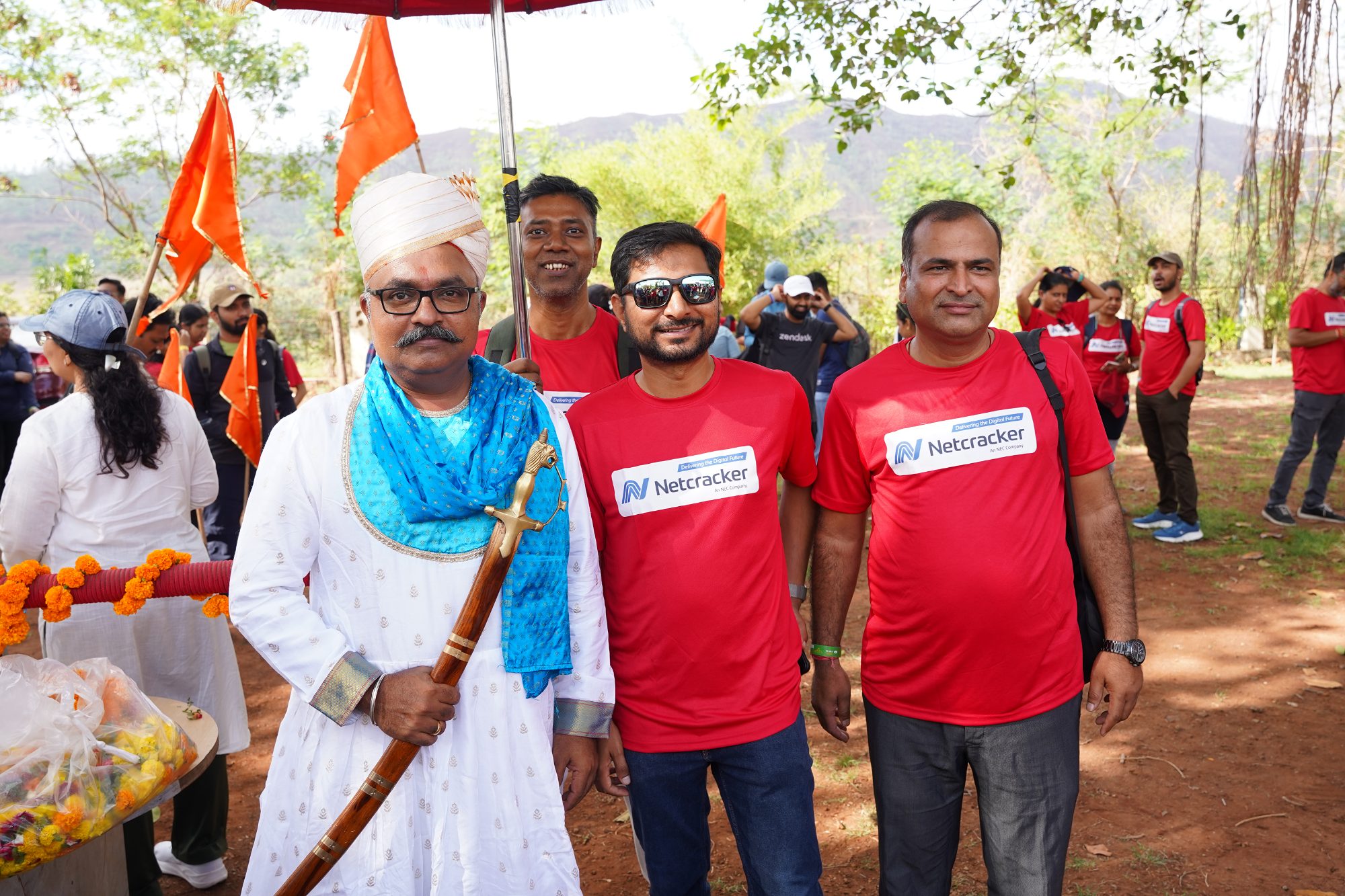
Light makes the fort usable after dark, and use is what keeps a fort cared for. On Tikona, visitors can now scan a QR code and hear the fort's history on their phones, alongside the lit path. Volunteers, 876 so far, have carried every pole and battery up by hand, and youth from the villages below train as URJA technicians to run it.
How far will it go?
Five forts are complete and commissioned: Tikona, Ghangad, Rohida, Asherigad and Tung. Six more, including Visapur, Rajmachi, Malhargad and Mahuli, are in active deployment, six are in planning, and the plan covers 50 unprotected forts by 2028. Together they already carry 120 solar street lights, 40 solar CCTV cameras, 5 Solar TREEs and 8 mobile charging stations.
Adopt a fort.CSR partners can light one or more forts with an MoU, on-site recognition and employee volunteering days.
Fund a fort →Build something that's still working in year four.
CSR lead, donor or volunteer: there's a place for you in this work.
Frequently asked questions
Why light a heritage fort with solar?
To protect it from vandalism, make night access safe for trekkers and open eco-tourism for nearby villages, without touching the structure.
Which forts has Mission URJA lit?
Tikona, Ghangad, Rohida, Asherigad and Tung are complete; six more, including Visapur, Rajmachi, Malhargad and Mahuli, are in deployment.
Does solar lighting damage the fort?
No. Mission URJA installs non-intrusive, decentralised solar that does not touch the fort's stones.